

The station
A machine is specified by what it cuts, holds, and passes to the next station.
The handoff
A robot or conveyor takes the part only when the previous cycle has finished.
The guard
Doors, light curtains, and fences stay closed while the spindle or arm is moving.
The stop
A fault, an open door, or a missing part holds the line instead of pushing the next cycle.
Machines chosen for the part, then joined
Each station is described on its own: the work it does, the fixture, the cycle, and the signal it sends when the part is ready to move.
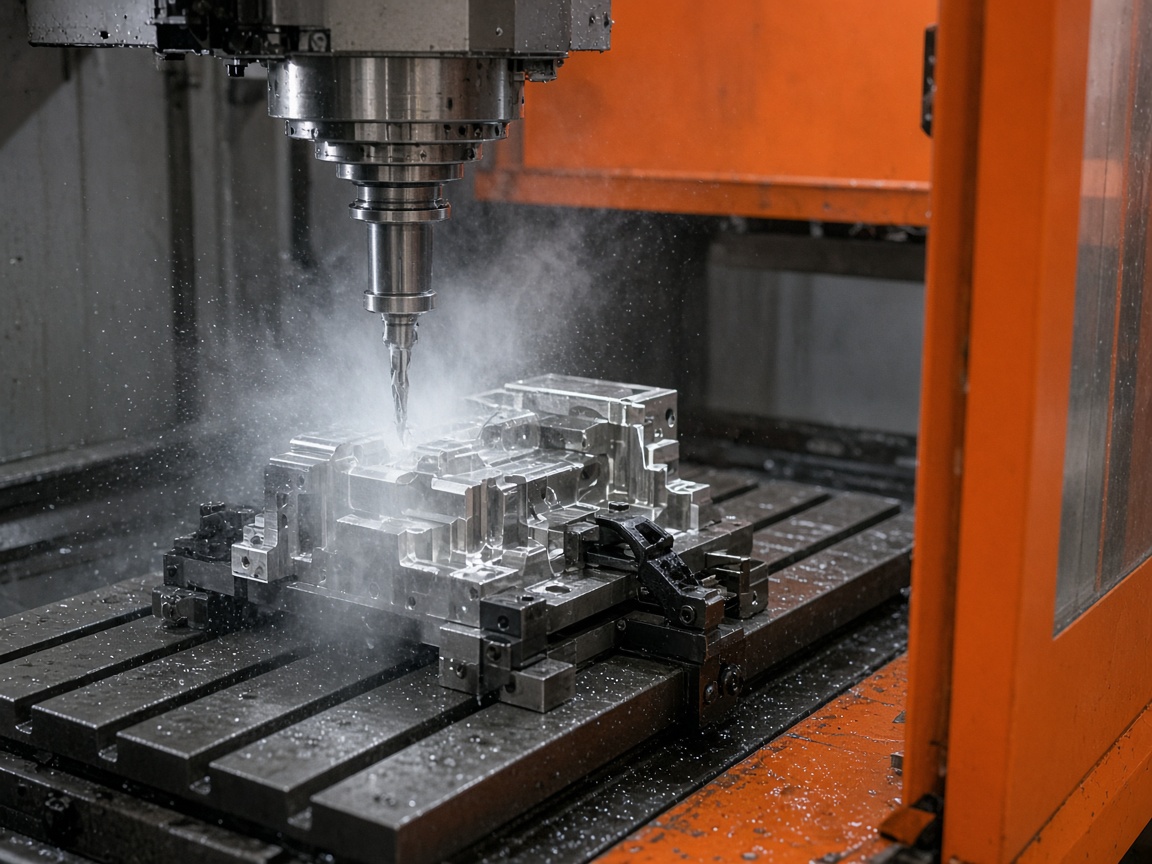
Machining
Mills and turning stations with the fixture, tool list, and the cycle that releases the part.
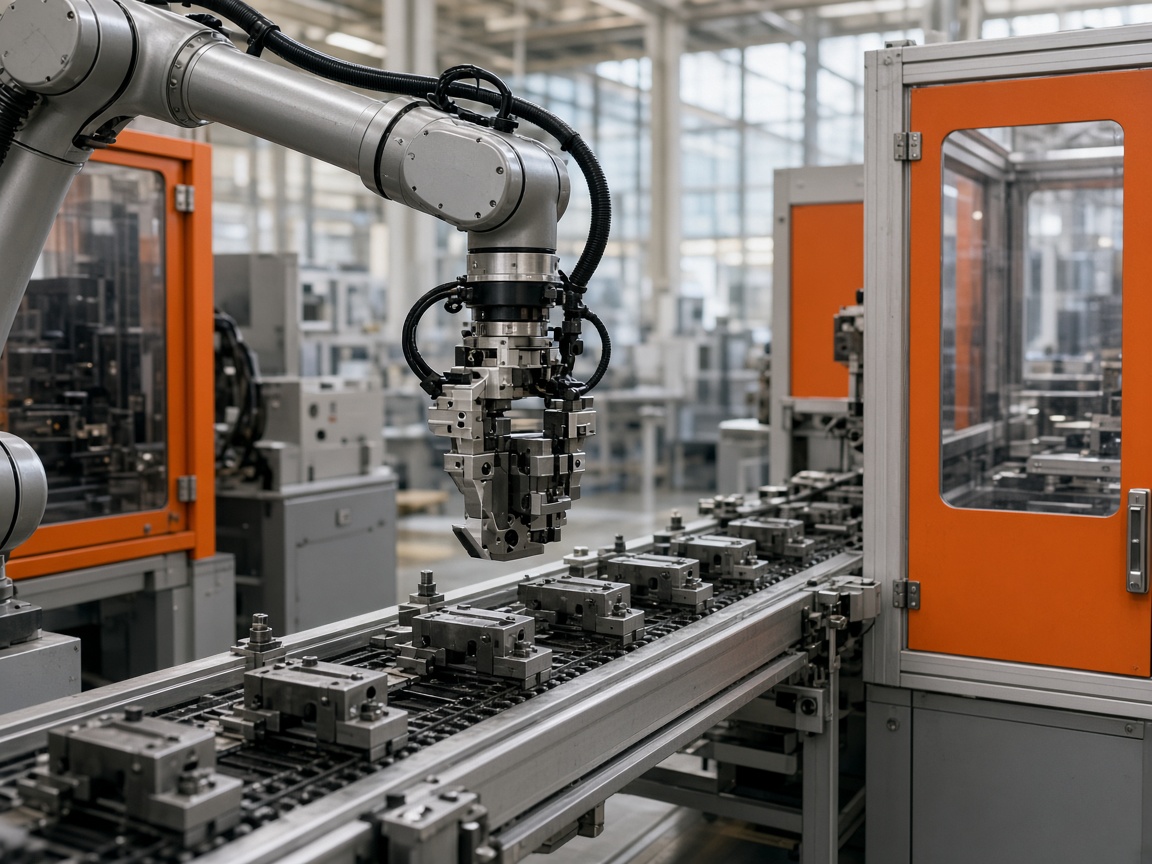
Transfer
A robot or conveyor that picks only after the station confirms the part is free.
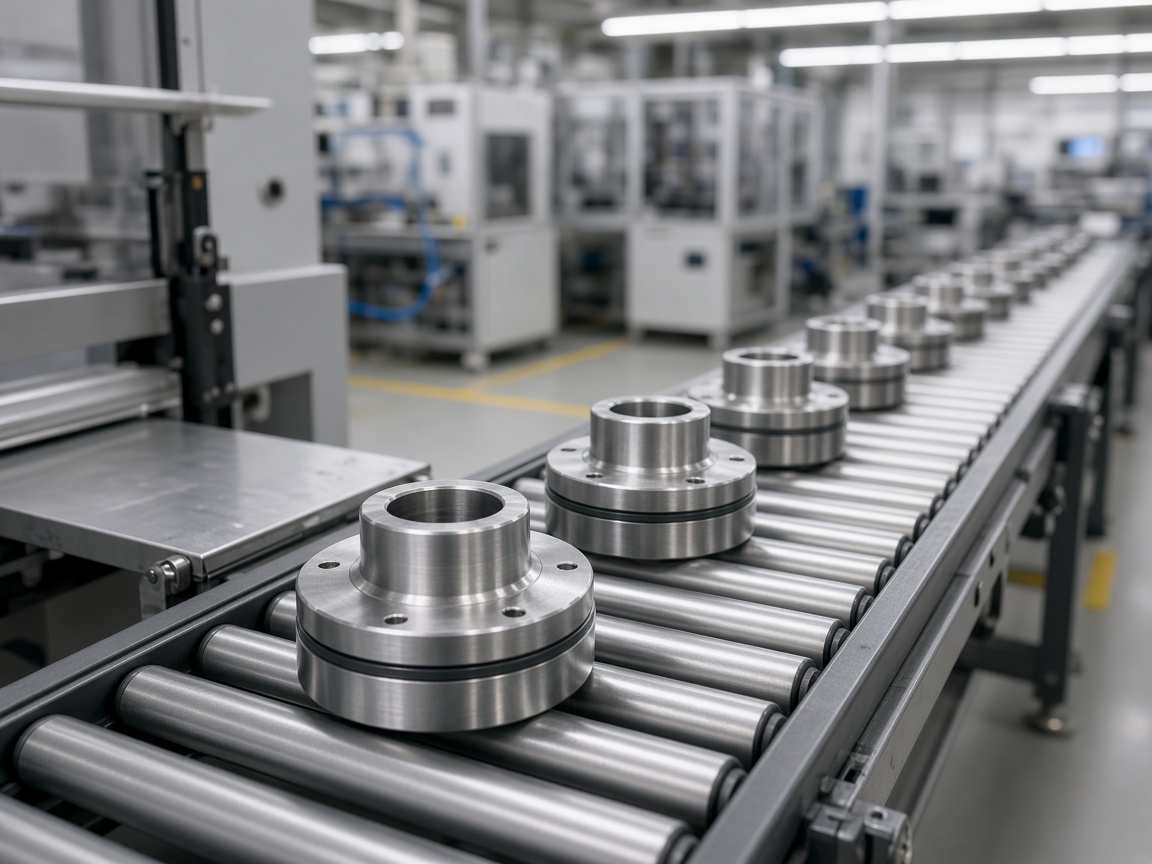
Outfeed
The last station sets the part down, checks it, and clears the line for the next one.
Four things written on every station
A machine is not only a model name. The station is the fixture, the tool, the cycle, and the signal that says the part may leave.
Fixture
How the part is held, and the pose the next station expects to receive.
Tool
What cuts, forms, or checks the part, and when that tool must be clear of it.
Cycle
The motion that has to finish before the guard opens or the arm is allowed in.
Signal
The bit the station sends when the part is free, clamped, or still in the way.
Automated line
Load
A part is presented in a known pose. The line does not start until the fixture reads it as present.
Machine
The station runs its cycle behind a closed guard and reports done only when the tool is clear.
Move
Transfer waits for both stations. A part never leaves a live spindle or enters a full fixture.
Release
A check at the outfeed accepts the part or holds it. The next load starts only after the belt is clear.
The part moves only when both stations agree
Transfer does not guess. The station that finished has to be clear, and the station that receives has to be empty and ready to clamp.
-
Done
The tool is clear of the part and the station has reported the cycle finished.
-
Empty
The next fixture has room. A full station keeps the arm waiting.
-
Clamp
The receiving station holds the part before the arm lets go.
-
Path
The route between the two stations stays inside the guard.
Watched, held, and stopped
The line is specified with the same care as the machines: what is allowed to move, and what must stop it.
Guards
Doors and fences are part of the cycle. An open guard removes motion permission.
Sensors
Presence, clamp, and tool-clear signals have to agree before the next station starts.
Hold
A missing part or a failed check keeps the station loaded and the transfer waiting.
Stop
An emergency stop drops motion across the stations that share the line, not only the one beside the button.
The line loads again only when it is clear
A finished part leaving is not the same as a free line. The next load waits for the outfeed, the guards, and the last check.
Outfeed
The last part has left the belt. Nothing is still sitting in the drop.
Guards
Doors are closed again. An open guard keeps the next cycle from starting.
Check
The part that left was accepted. A held part blocks the next load.
Tell us the part and the line
Describe the stations you need joined. We reply by email.
[email protected]
Send an enquiry
Name, email, and what the line has to do.